
Be bold, be Birmingham
Top that.
Nobody wants to follow Taylor Swift on stage. Yet the organisers of the Birmingham Festival 23 found themselves in a similar unenviable position. Just 12 months earlier the Birmingham Commonwealth Games had been a standout success. In summer 2022, the city had put on a joyful, inclusive festival of sport that showed Birmingham at its welcoming best. Now a year on it was time to mark the anniversary.
How was the city going to capture the unique spirit of the previous year while celebrating the Games? The answer was simple. Shift the focus from sport to music and culture, and tap the diverse creativity of Birmingham itself. Birmingham Festival 23 was born – and, by Rob Macpherson of Creating Impakt, I was asked to help create the messaging and tone for its engagement campaign.
Be bold. Be Birmingham.
In size and scope, Festival 23 followed directly in the footsteps of the Games. The event was set to run over 10 days and 9 nights in Centenary Square in Birmingham. In all, over 800 performers and creatives would complete some 150 live and digital projects and performances. With everything from rap battles and dance-offs to participatory yoga classes and audio tours, plus dedicated viewing areas for people with mobility issues, the Festival had wide-reaching appeal – and it needed a creative approach to match.
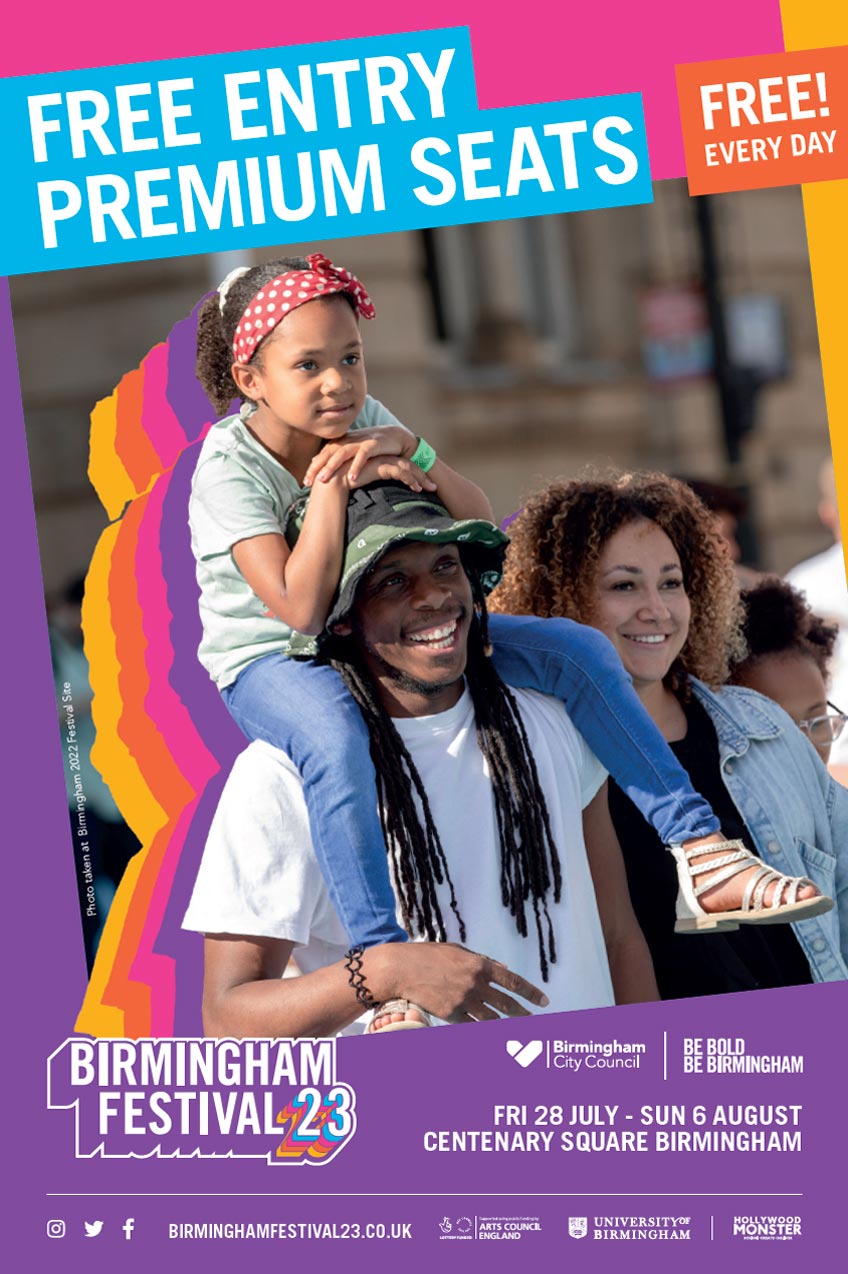
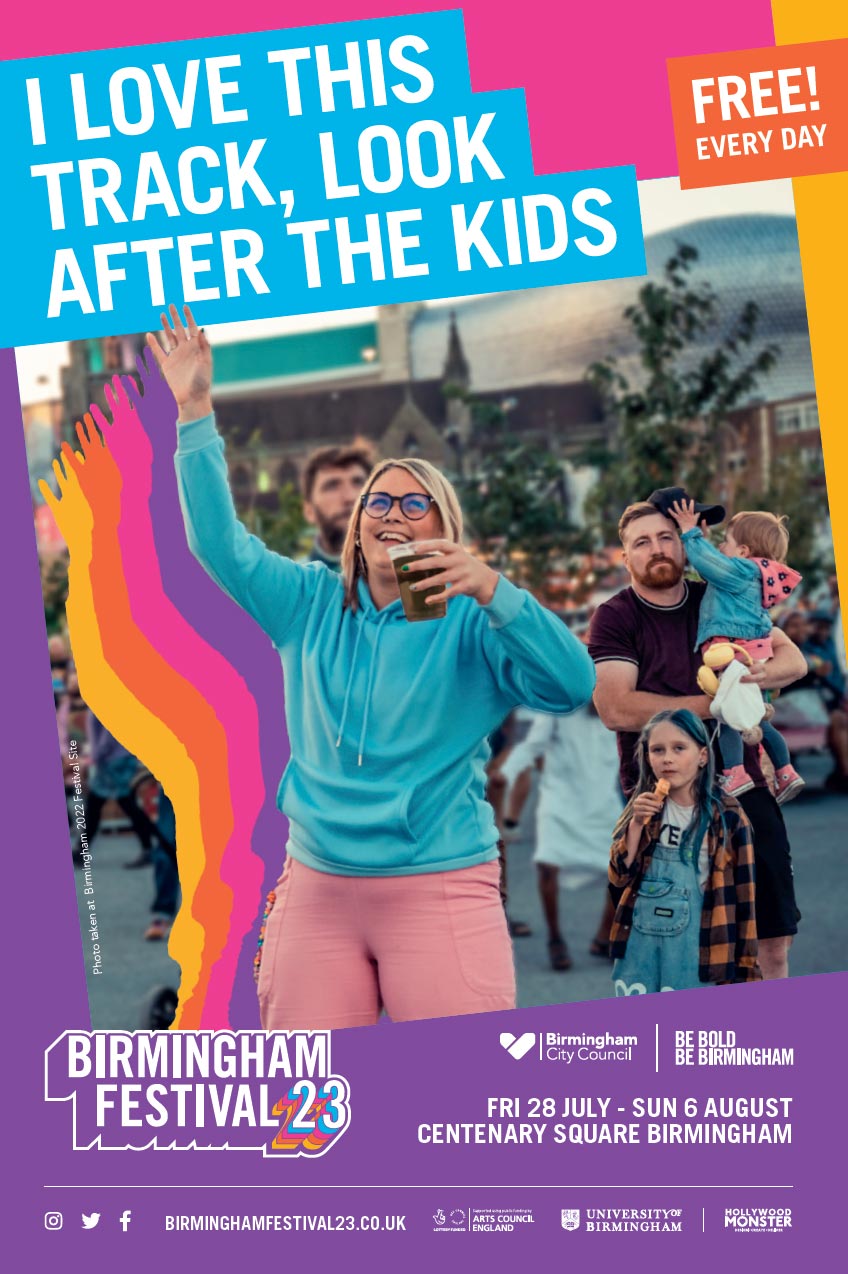
I developed a series of creative routes drawing on the diverse audiences that attended the Games the year before. A day out with parents or grandparents. A quick drop in at lunchtime during the working week. Or a big night out with friends. Festival 23 had something for everyone – and I captured this with executions that ran across outdoor posters, leaflets, social media, websites and radio.
Creating an impact.
A warm, welcoming brand voice and messaging segmented for the Festival’s different audiences helped draw in the crowds. Some 125,000 people attended all in all, 85% of whom were local. On average, they stayed for around 3 hours over 2.2 days. Accenting warmth and diversity in the campaign clearly paid dividends: 46% of the audience were non-white, and 93.9% of the audience said the Festival was friendly and inclusive.
Perhaps the most telling impact of the event was economic. Expenditure over the Festival by visitors and residents topped £640,000, with visitors spending significantly more than locals on average. An indication that the messaging and creative campaign had hit the mark, engaging the right audience from a wide footprint.